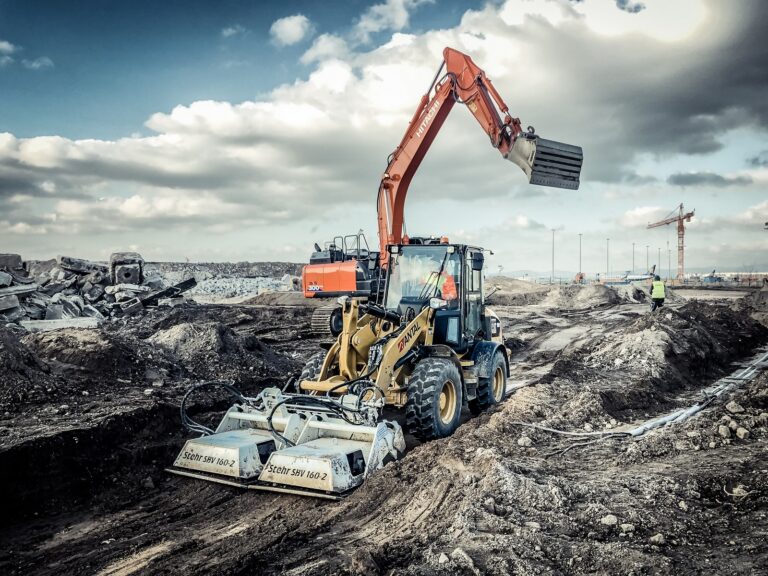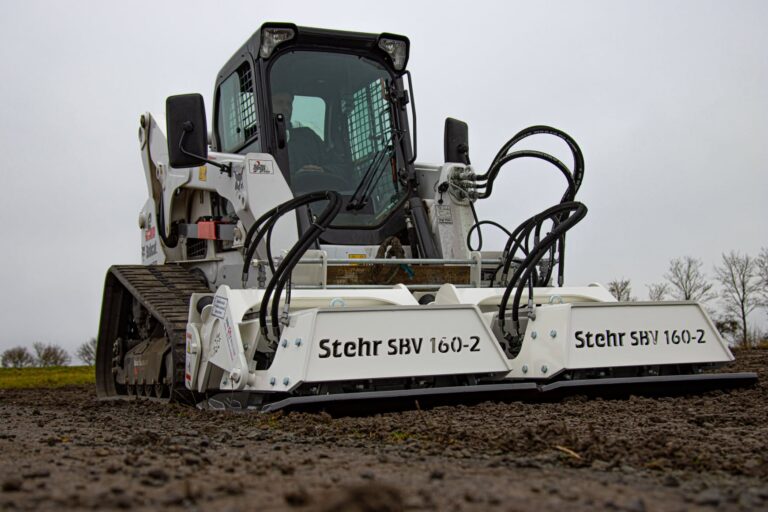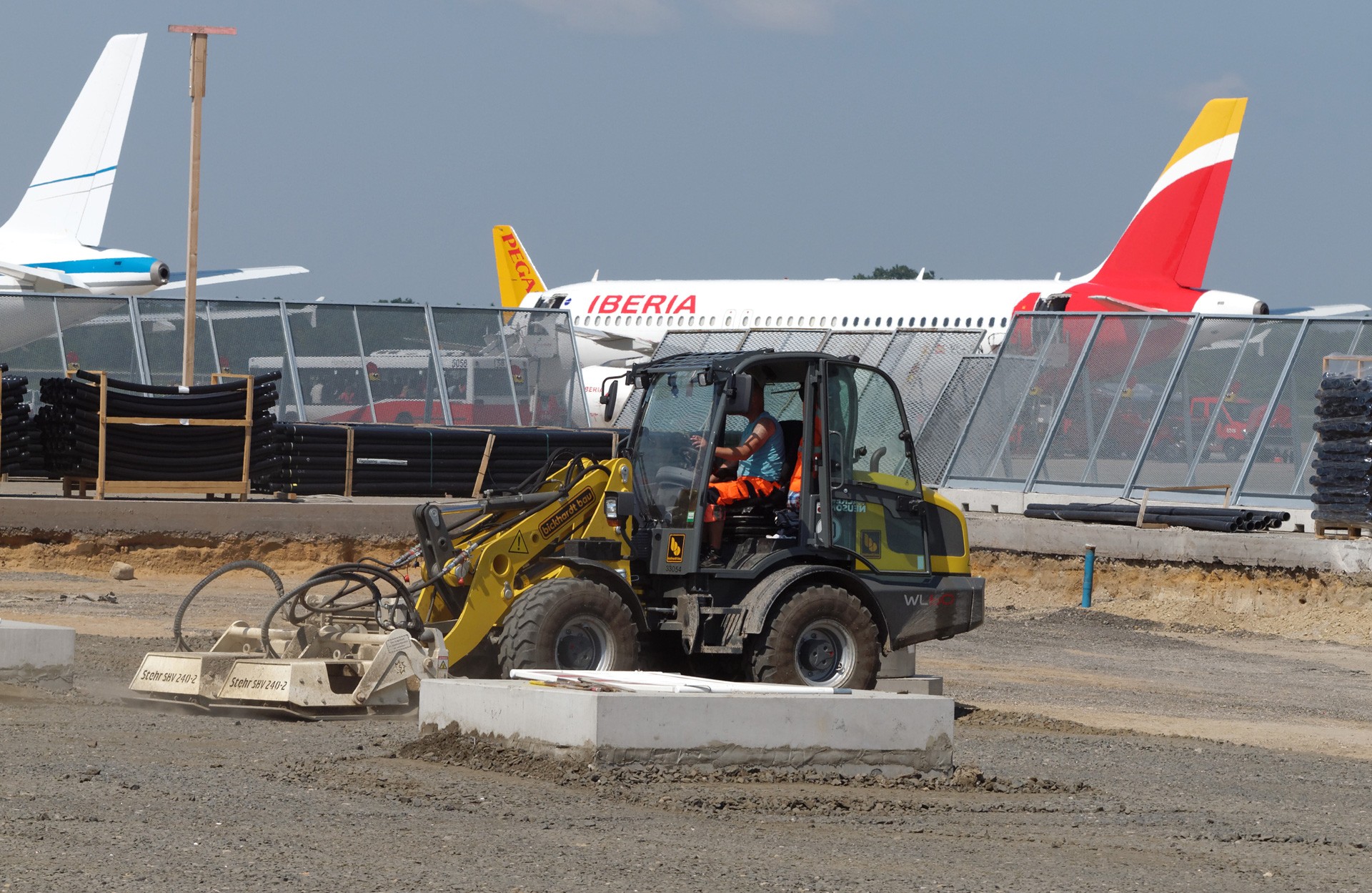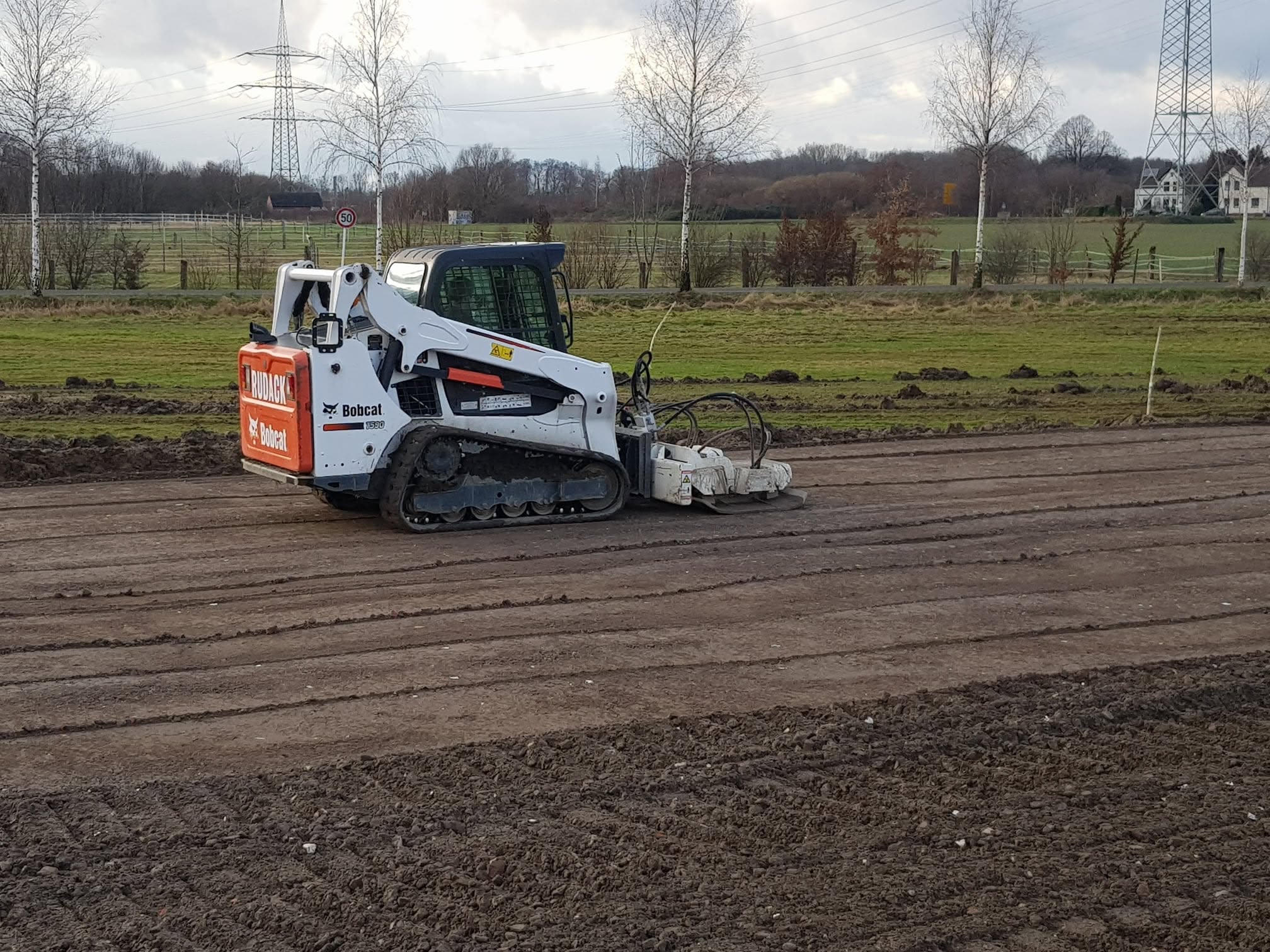



Add-on Plate Compactor SBV 160-2
Technical Specifications
| Weight | 1850 kg |
| Width | 2150 mm |
| Oil requirement | 100-150 l/min |
| Frequency | 70 Hz |
| Centrifugal force | 2 x 160 kN = 320 kN |
| Carrier vehicle | Tractors |
Optionally available:
|
|
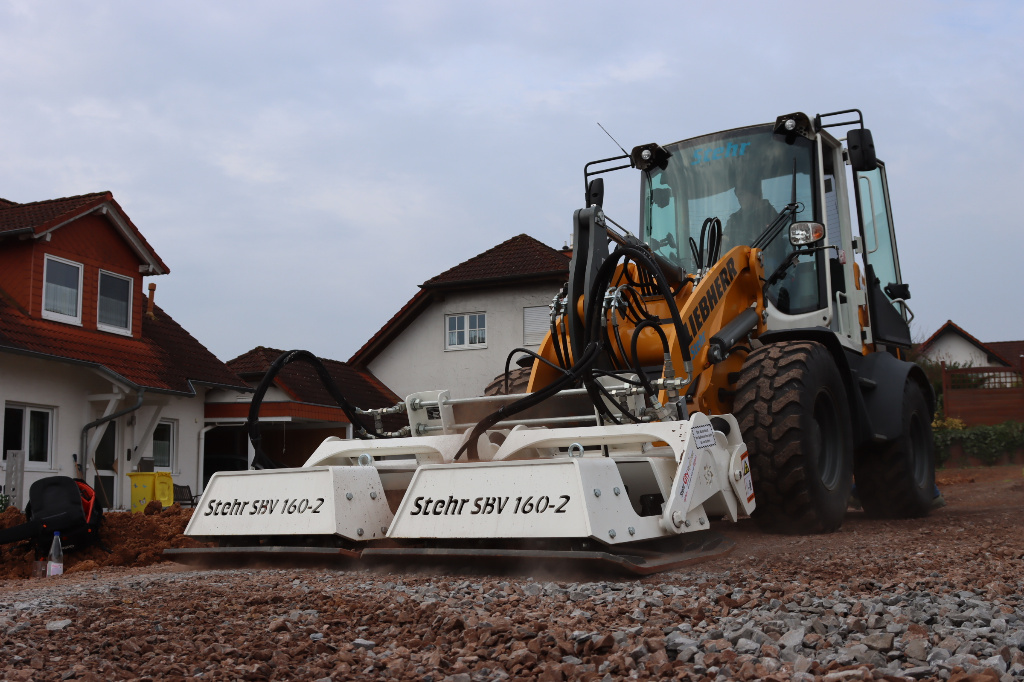
Efficient & Compact
The Stehr SBV 160-2 plate compactor offers a range of advantages that make it an efficient and environmentally friendly solution for soil compaction.
100 % vertical force transmission: The patented Stehr principle with counter-rotating eccentric weights directs the energy exclusively vertically into the ground. This minimizes harmful horizontal vibrations, protects the excavator boom/carrier vehicle, and allows low-vibration work close to buildings or pipelines.
Extreme depth effect: Due to the enormously high point load of 160 kN per plate, the SBV 160-2 achieves compaction depths that are otherwise only reached by the heaviest vibrating rollers. Ideal for cohesive soils, coarse-grained gravel, or high dumping heights.
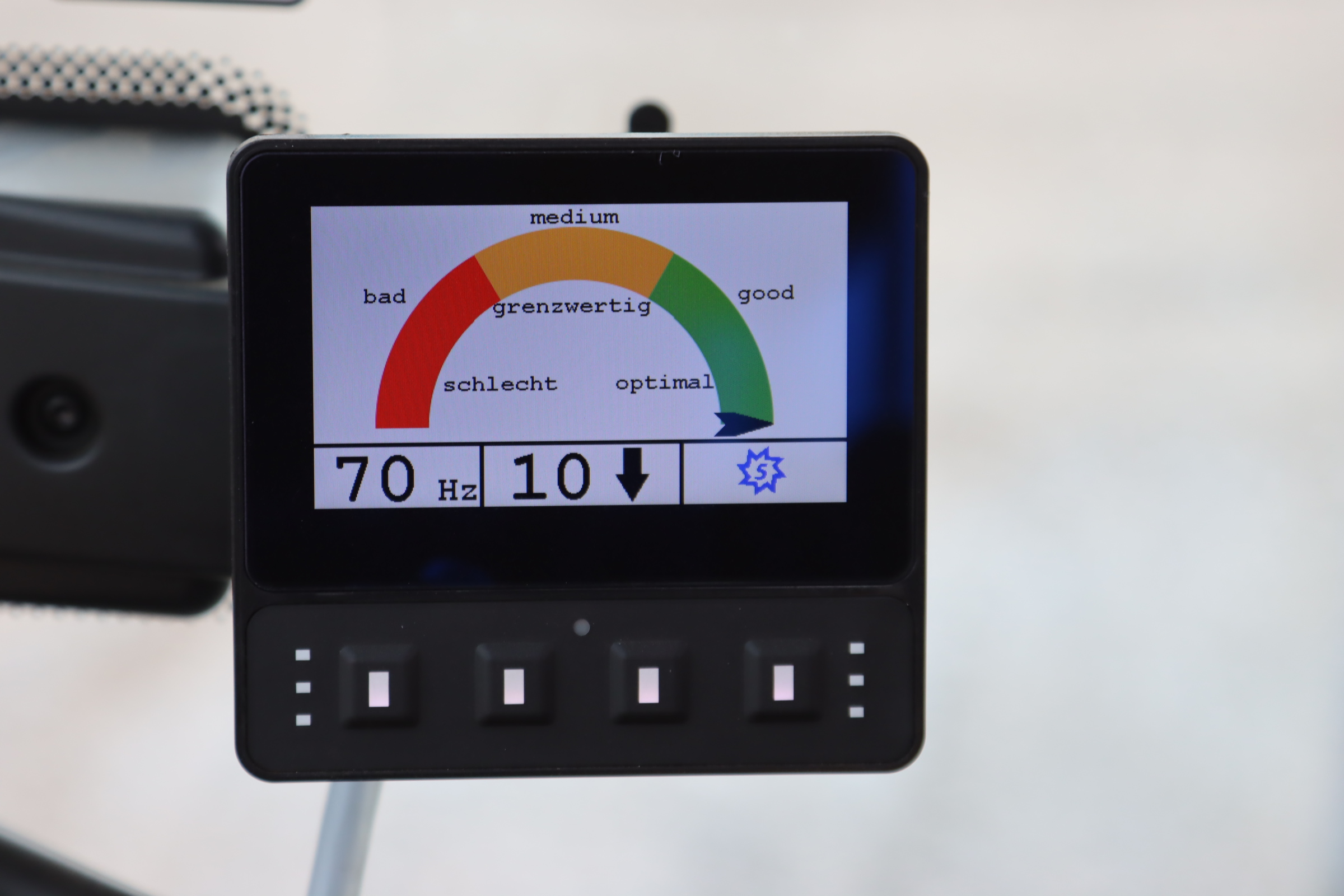
Stehr SCC Compaction Control
Compaction measuring device included. Display of frequency, driving speed, and the state of compaction.
More performance, fewer emissions
Our system sets new standards in compaction technology. Thanks to minimal ambient vibrations and noticeably faster construction progress, you maximize your productivity. At the same time, you benefit from an outstanding carbon footprint, significant fuel savings, and optimal utilization of your carrier vehicle.
Technology
Thanks to the patented 4-shaft technology with a 70 Hz vibration frequency, the material to be compacted is excited twice as fast as with single-drum rollers (max. 35 Hz). Additionally, the plates do not create a rotary movement that loosens the surface again, as is the case with rollers.
The mathematical relationship d ~ 1/ n² applies between the grain size d and its natural frequency n. Higher excitation frequencies increasingly stimulate the smaller grains to vibrate, allowing them to migrate into the free spaces between the larger grains. The number of grain contacts and thus the stiffness of the soil increase significantly within a very short time. The natural frequency of soils is usually between 25 and 35 Hz and changes as compaction progresses.
If this frequency is introduced into the soil, primarily the grains with a larger diameter are stimulated to vibrate, while all other grain sizes react only slightly due to the relatively low acceleration. Since the larger grains are always surrounded by smaller grains, the acceleration of the large grains is dampened.
The Stehr high-frequency compactor plates operate at a frequency of 70 Hz, to which the smaller diameter grains react under resonance. The effective acceleration of the larger grains is also significantly increased by the improved vibration transmission. With the help of the additional surface pressure exerted by the compactor plate, the material settles more densely. This creates a much more homogeneous surface, and in static plate load tests, the (modulus of elasticity) is always more advantageous due to the closed surface.
CO² - Fuel - Performance
The use of the compactor plates also results in sustainable environmental benefits such as:
- Fuel savings
- Lower pollutant emissions
- Best carbon footprint with higher performance
Live Demonstration
We present the performance of our plate compactors directly in practice. On our extensive 70,000 m² test site, we not only prove the compaction performance visually through the water glass test, but also document it precisely with state-of-the-art measuring technology - from the dynamic plate load test to vibration measurement according to DIN 4150-3. Arrange an appointment for your live demonstration today!
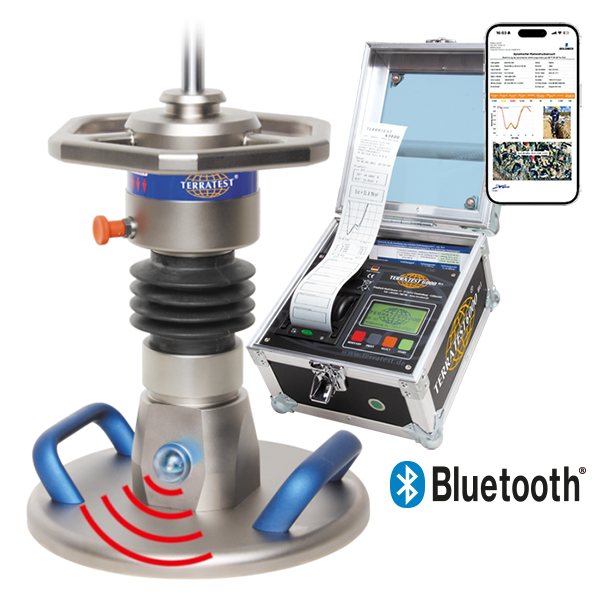
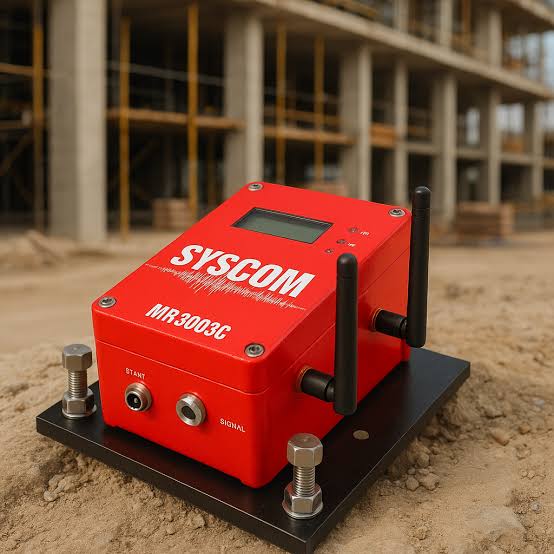
Image Gallery